The Art of Japanese Cutlery
Explore the legacy, craftsmanship, and precision of Japan's finest blades.
A Century of Bladesmithing Heritage
Originating from the ancient art of forging Samurai swords (Katana), Japanese cutlery represents a perfect harmony of traditional metallurgy and modern functionality. Each blade is hand-finished to deliver unparalleled sharpness and durability, revered by chefs and craftsmen worldwide.
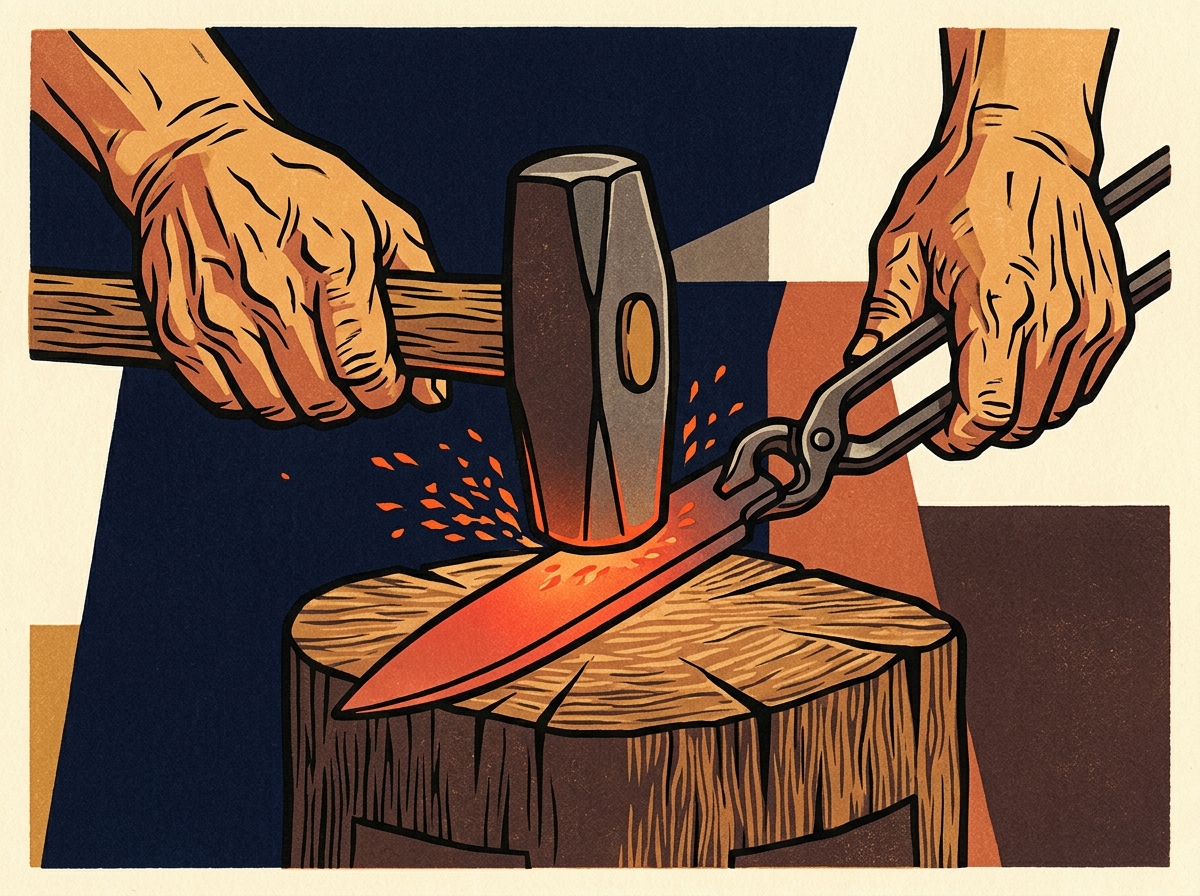
Discover the World of Japanese Blades
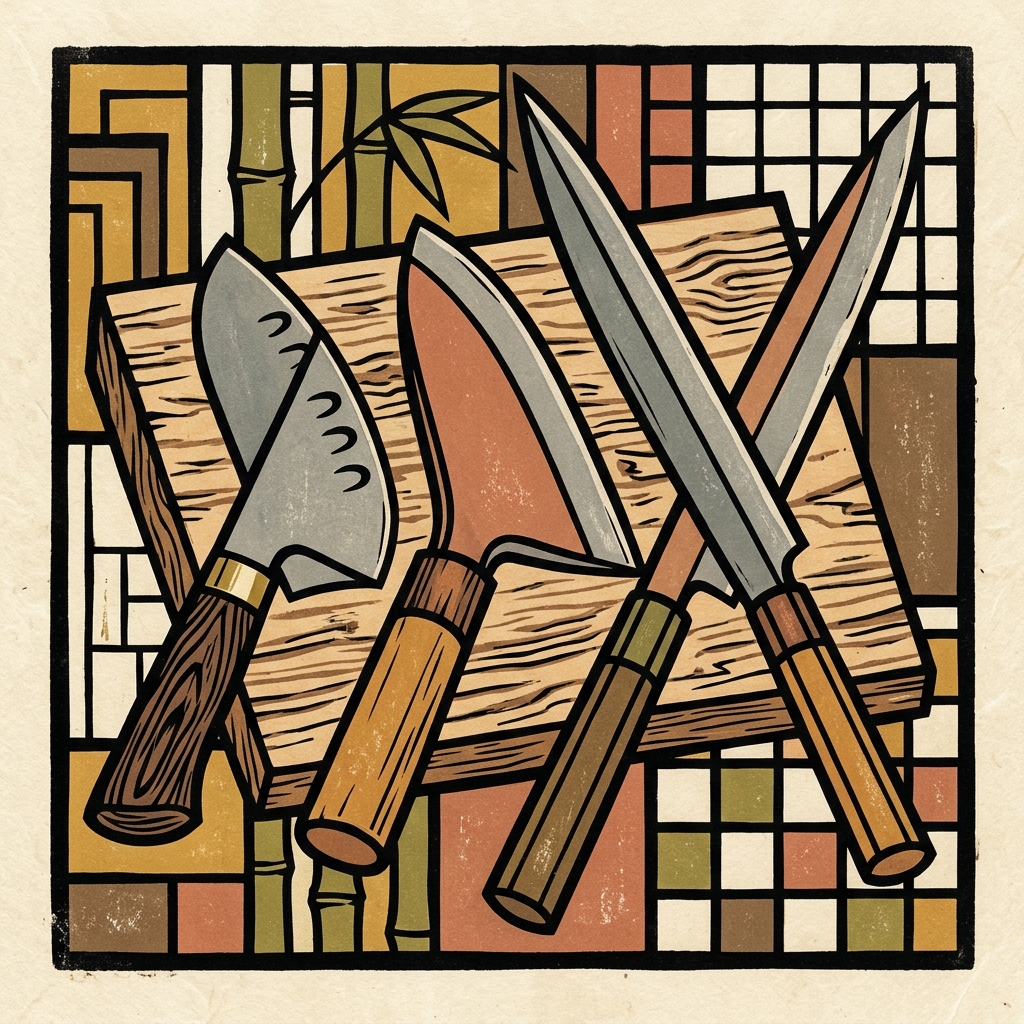
Cutlery Types
Explore specialized kitchen knives, high-performance scissors, and precision nail clippers.
Browse Catalog →
Production Regions
Discover Japan's 5 legendary cutlery-making capitals, each with its unique forging techniques.
Explore Map →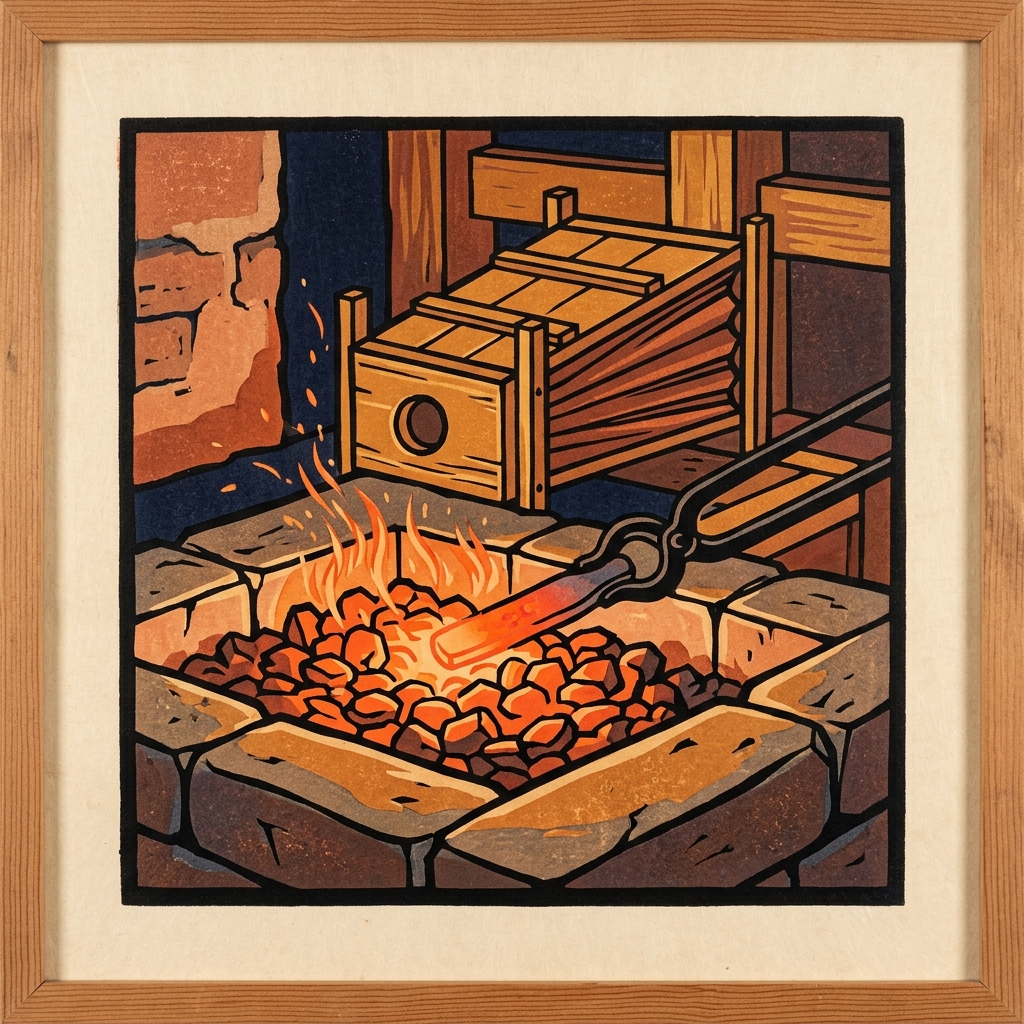
Craft & History
Learn about the transformation from raw iron sand into a masterfully forged tool.
See How It's Made →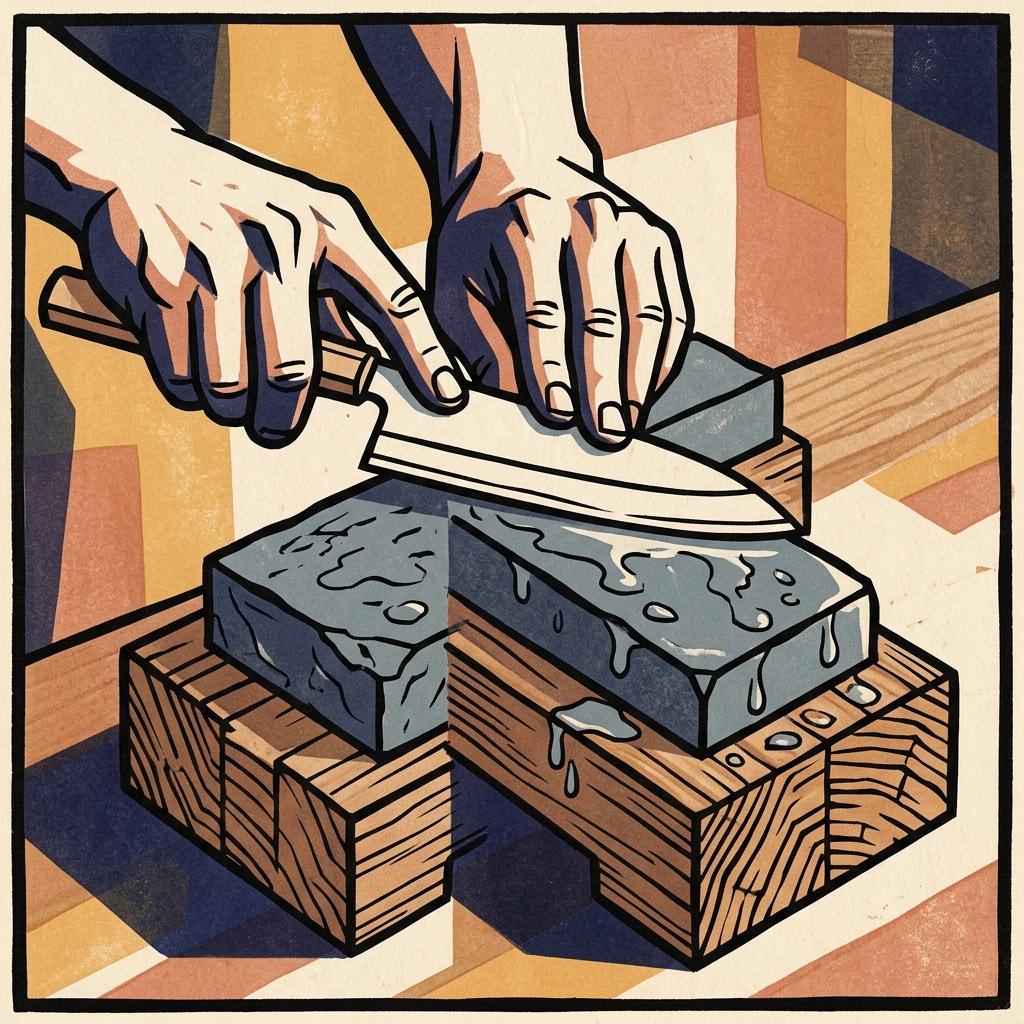
Care & Buying
Master the art of whetstone sharpening, rust prevention, and safe international transport.
Care & Buying Tips →Suggested Reading Path
Start with the overview, then move through comparisons, history, and care for the clearest path.
Learn the types
Understand knives, scissors, and clippers first.
See the regions
Compare Sakai, Seki, Tsubame-Sanjo, and more.
Learn the craft
See forging, quenching, and sharpening in context.
Learn care
Check care, sharpening, and buying guidance.
Learn the terms
Review the basics: bevels, urasuki, tang, and more.
Cutlery Capitals Map
Locate the five geographic centers of metallurgy that shape Japan's cutlery trade.
5 Legendary Cutlery Capitals
Sakai
Osaka
Single-edged traditional knives (Deba, Yanagiba, Usuba)
Seki
Gifu
Modern Damascus Steel Knives (Santoku, Gyuto)
Tsubame-Sanjo
Niigata
All-Stainless Steel Knives
Echizen
Fukui
Thin-bladed kitchen knives (Gyuto, Santoku)
Tosa
Kochi
Kurouchi Black-Finished Knives (Gyuto, Santoku, Nakiri)